Delhi’s Public Works Department (PWD) is exploring a path-breaking initiative to replace all conventional sodium street lights across the PWD roads with modern smart LED fittings, ushering in a new era of transparency, efficiency, and citizen participation.
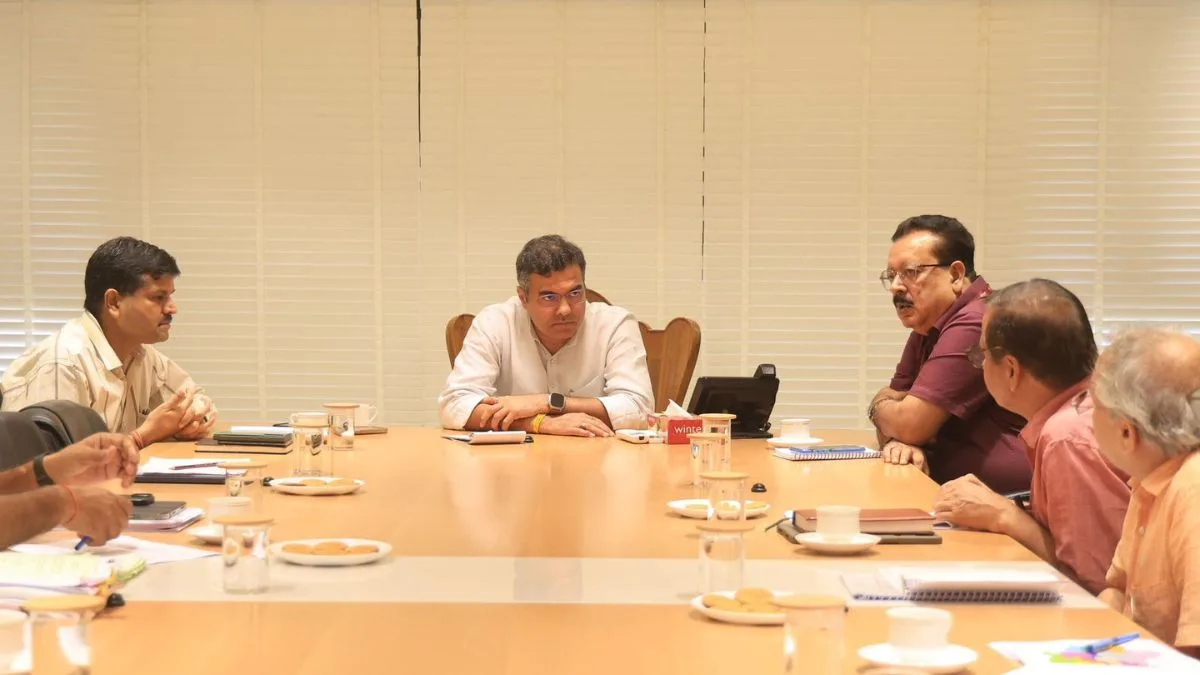
The PWD led by Delhi Minister Parvesh Verma has introduced a revolutionary EMI-based model, and under this framework, the private company installing the lights will receive monthly payments only after the lights are fully operational, ensuring that the company remains responsible for upkeep, performance, and timely maintenance.
Advertisement
According to the department, for decades, street lighting projects followed the traditional model where governments paid contractors in advance, often leading to delays in installation, poor maintenance, and limited accountability.
Currently, of the nearly 96,000 street lights managed by PWD, around 45,000 still run on conventional HPSV fittings, and now these will be systematically replaced with energy-efficient smart LED lights, ensuring better illumination, reduced electricity consumption, and longer lifespan.
One of the most remarkable benefits of this transition is the huge cost savings, and by switching from HPSV fittings to smart LEDs alone, the Delhi government expects to save around Rs 31.53 crore annually in electricity and maintenance costs.
This saving will directly benefit taxpayers and allow the government to reinvest resources into other critical infrastructure and welfare projects.
What makes this project truly futuristic is its technology-driven monitoring system, as each smart light will be connected to a mobile-based APP, centralized dashboard and control room, allowing officials to monitor performance in real time, detect faults instantly, and ensure immediate repair.
In a first for Delhi, this APP will also be open for public access, allowing citizens to view the status of street lights in their area and register complaints.
To further strengthen accountability, the system will come with a time-bound complaint resolution mechanism, and any faulty light reported by a citizen will have to be fixed within a strict deadline, thereby building trust and improving the efficiency of public service delivery.
Highlighting the vision behind this initiative, Verma said, “Delhi’s roads are the backbone of our capital. With smart LED street lights, we are not just changing fittings. We are changing the very system of governance.”
He further said that this EMI model ensures that companies have a stake in the performance of these lights, making them partners in accountability.
He added that for the first time, citizens themselves will be able to see, monitor, and question the system in real time, which will ensure transparency in true form.
According to Verma, earlier, the government would spend money up front, and the public had to wait endlessly for results.
With the new concept, things will work differently, as now it will be installed first, prove performance, and only then will payments be made.
Every single one of the 96,000 street lights will now be smart, connected, and accountable, the minister said, further adding that most importantly, every citizen will have access to the dashboard to see whether the system is delivering or not.
Meanwhile, the PWD has emphasized that this initiative will not only save energy and reduce carbon emissions, but also improve road safety, ease of travel, and night-time security across Delhi.